The first 2026 issues of MISIS scientific journals are now available online
The new issues present results of current research in materials science, metallurgy, and industrial economics, covering both fundamental and applied areas.
The new issues present results of current research in materials science, metallurgy, and industrial economics, covering both fundamental and applied areas.
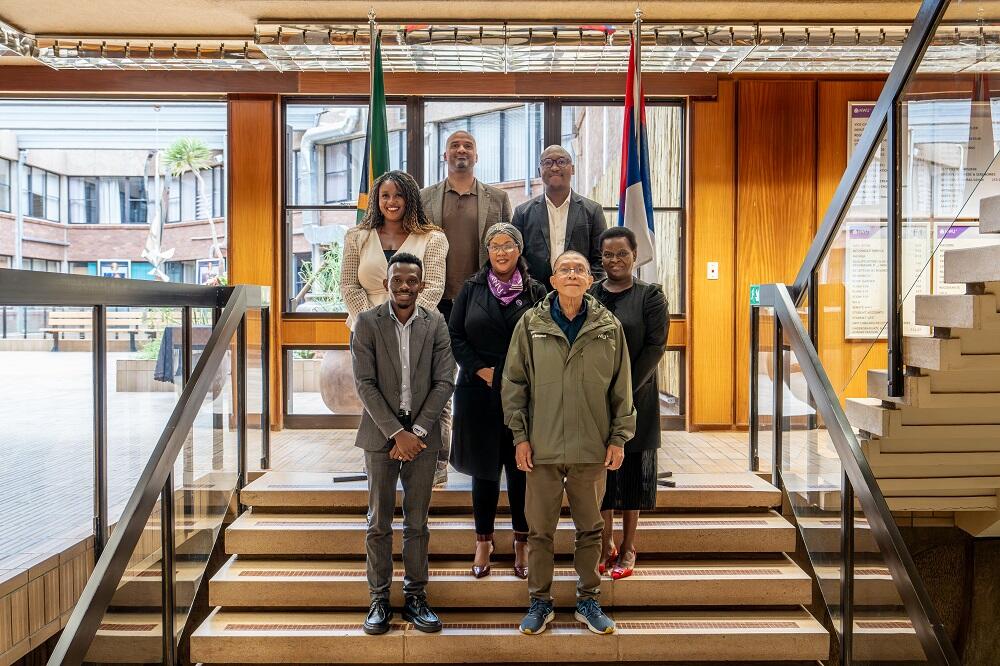
The South African Department of Higher Education and Training has selected NUST MISIS as a strategic partner for African educational institutions to help strengthen their integration with industry.
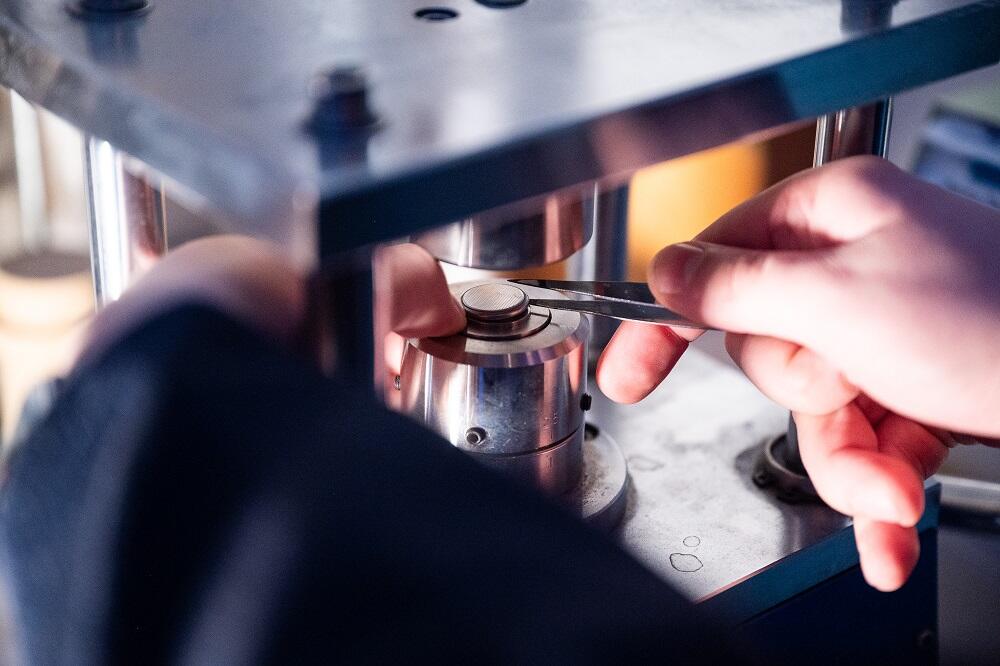
Researchers from MISIS University and Research Institute of Advanced Materials and Technologies (RIAMT) have developed a new method for producing carbon materials from cotton waste, reducing the processing time to just a few minutes instead of the usual one and a half hours. The materials obtained using this approach can be used in supercapacitors — devices designed for rapid energy storage and release that are widely used in electronics, transport, and energy storage systems.
Researchers from NUST MISIS, HSE University, and the Russian company QRate have introduced a new approach to predicting quantum error rates in quantum key distribution systems using machine learning algorithms.

Physicists from the National University of Science and Technology MISIS and the Russian Quantum Center (RQC) have systematized modern approaches to implementing quantum algorithms using multidimensional quantum systems—qudits—and demonstrated how engaging additional energy levels of quantum carriers can simplify the execution of complex quantum operations and reduce their number compared to standard qubit-based schemes. Such approaches can improve the efficiency of quantum computing and bring the practical application of quantum algorithms closer in areas such as optimization, data processing, and the modeling of complex systems.
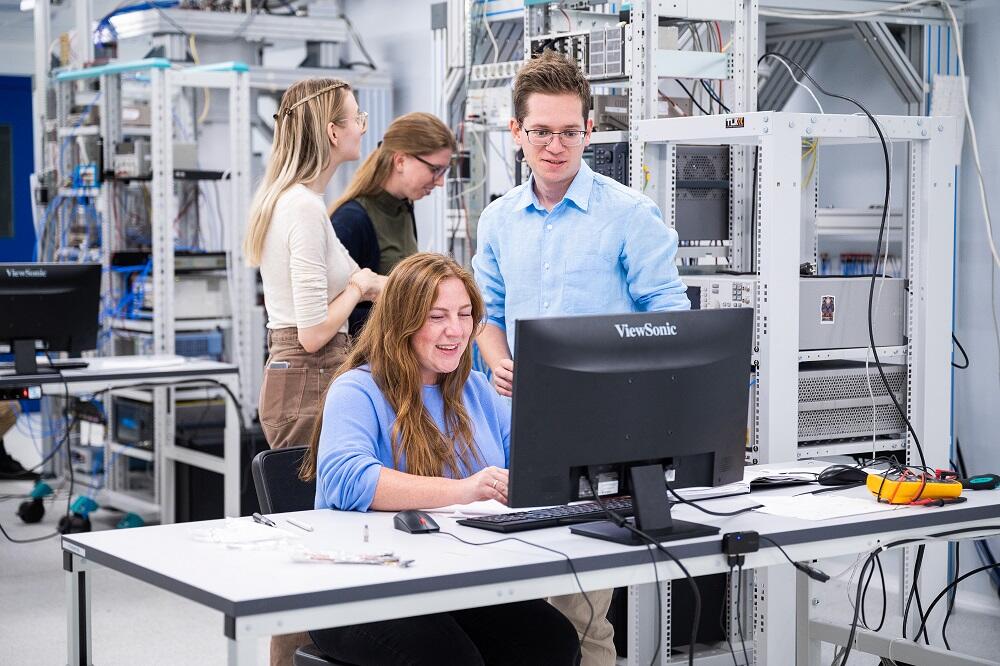
According to data from Scopus, the world’s largest database of scientific publications, in 2025 researchers from NUST MISIS published 890 papers. Two of these were featured in journals ranked among the top 1% worldwide by CiteScore: Reviews of Modern Physics and ACS Nano.

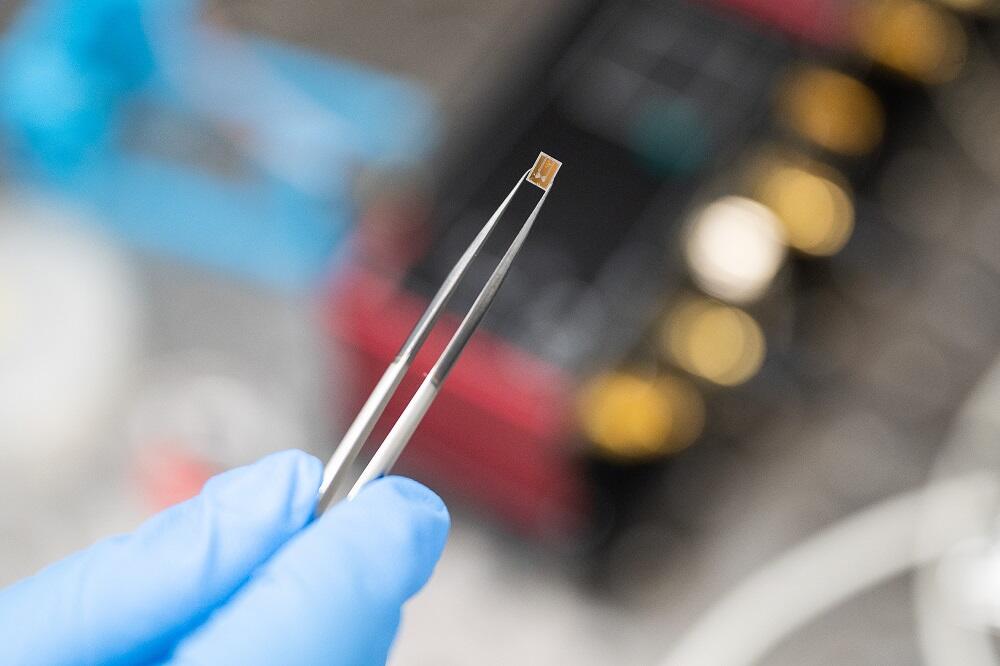
Russian scientists have introduced an ultra-sensitive detector capable of detecting individual photons with an efficiency of up to 98%. This development could serve as a foundation for the advancement of quantum computing, secure data transmission, and applications in astronomy and biomedical diagnostics.
Russian scientists have discovered that the interaction of titanium, aluminum, and nitrogen-based materials with molten copper results in the formation of strong and wear-resistant composites. The findings will help create new metal-ceramic materials for use in electrical engineering, aviation, and mechanical engineering.
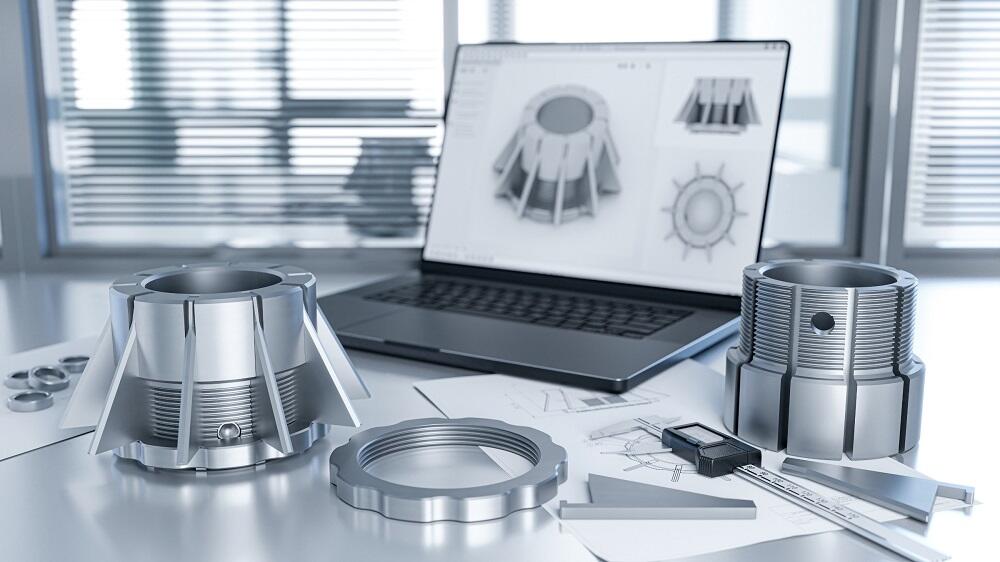
The decision to launch scientific and technical cooperation was made during the visit of a delegation led by Lieutenant General Vu Ngoc Thiem, Chairman of the Committee for Ciphers under the Government of the Socialist Republic of Vietnam, and Nguyen Van Ngoc, Director of Hong Ngoc Integrated Services — JSC “RAISE”.

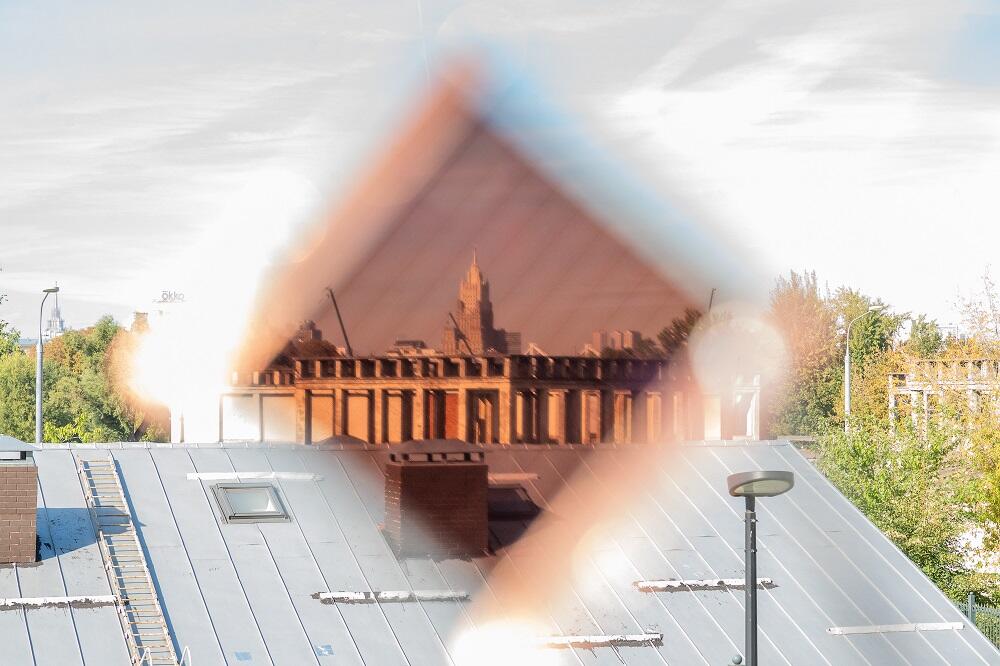
The Nornickel Palladium Technology Center and NUST MISIS have presented Russia’s first scalable samples of semi-transparent perovskite solar modules designed for installation on glass facades and rooftops. The Building Integrated Photovoltaics (BIPV) technology enables architectural elements to serve as power sources while maintaining natural daylight and preventing overheating.
Twelve researchers from the MISIS University have been included in the world’s top 2% of most cited scientists, according to the bibliometric database Scopus. The annual ranking is published by Elsevier BV, one of the four largest academic publishing houses in the world.
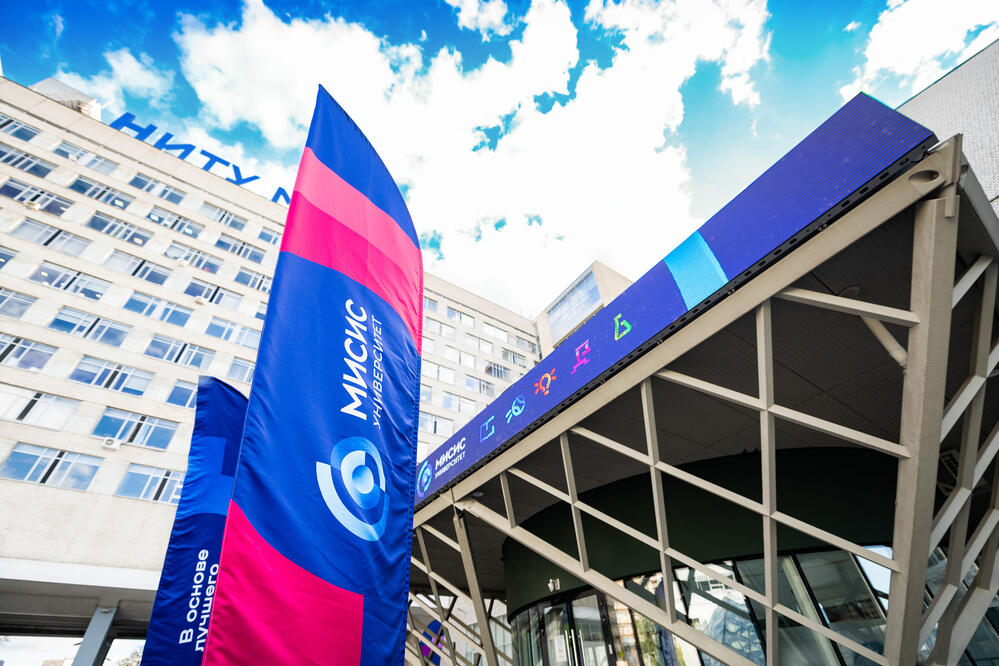
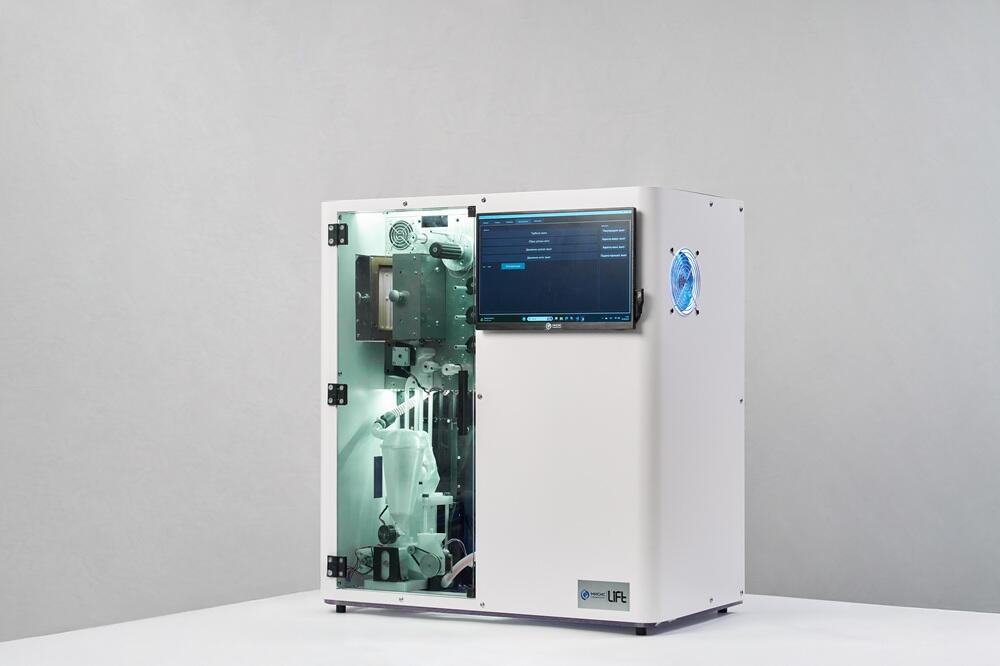
Specialists at NUST MISIS, together with the LIFT Research Center, have created a new system for coating surgical threads with antibacterial compounds. The joint project, aimed at developing medical suturing materials capable of gradually releasing embedded drugs, is being carried out with the support of Gazprombank under the Priority-2030 program.
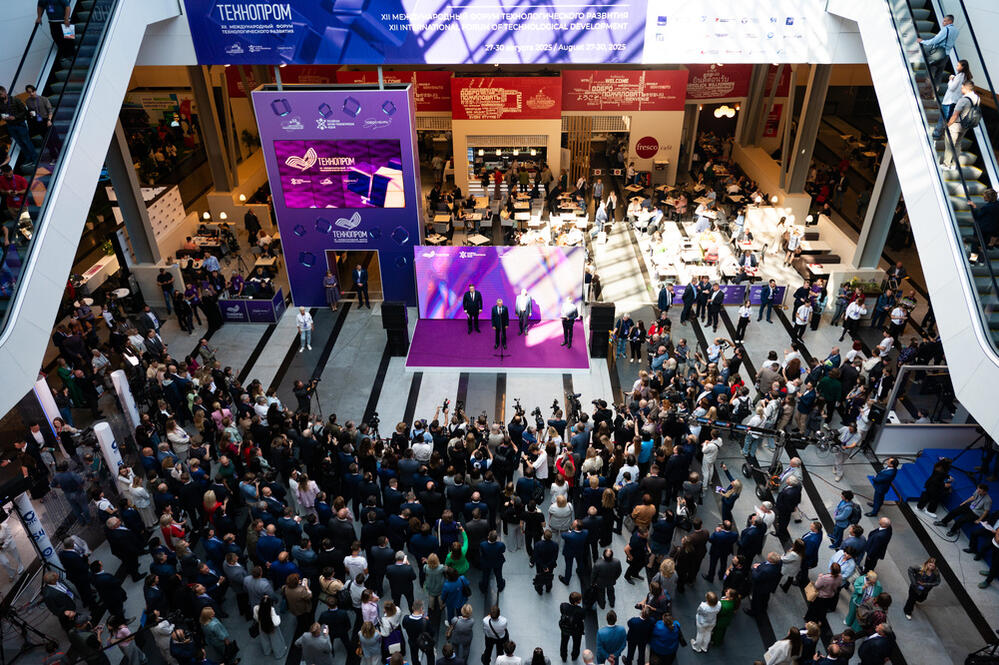
NUST MISIS representatives took part in the business program of the Technoprom-2025 forum, held in Novosibirsk. The event brought together representatives of federal and regional government bodies, leading Russian and international companies, as well as experts, scientists, and entrepreneurs.
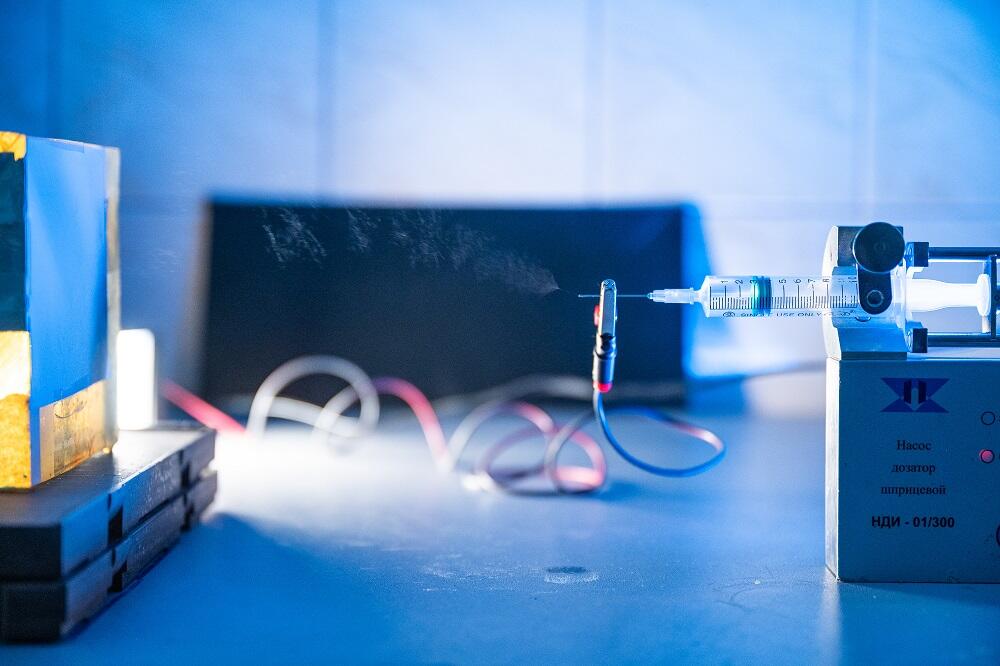
Researchers have developed a next-generation medical material made from ultra-thin aluminum oxide fibers. By altering the composition and structure, scientists can impart desired properties to the nanofibers, such as antibacterial, wound-healing, and hemostatic effects.
Researchers at NUST MISIS have developed a prototype implant made from a polymer composite designed to securely fix joints and gradually and safely dissolve in an animal’s body. This bioresorbable material eliminates the need for a second surgery and could become the foundation for alternative solutions in veterinary orthopedics.

Russian scientists have developed a new biodegradable iron-based alloy with promising applications in orthopedics, oncology, and veterinary medicine. By adding silicon and applying high pressure during processing, they managed to nearly double the alloy’s dissolution rate. With further implementation in medical practice, the material could fully dissolve in the body within
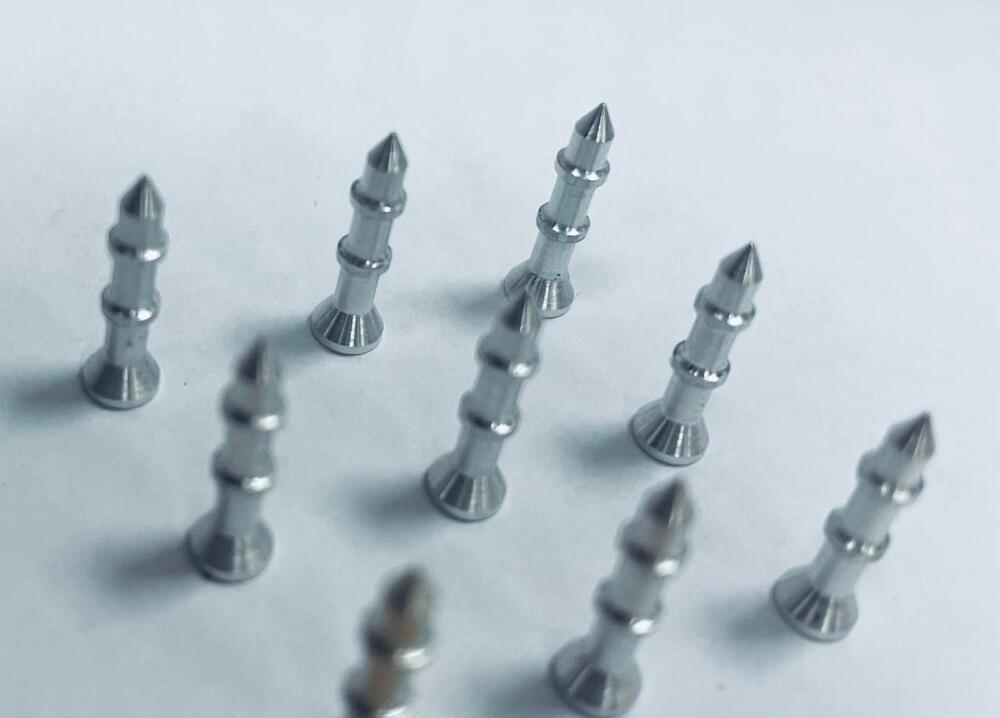
Researchers from the Laboratory of Superconductor Quantum Technologies at NUST MISIS and the Laboratory of Quantum Technologies at INME RAS have successfully reproduced the technology for fabricating superconducting fluxonium qubits, demonstrating single-qubit operation fidelity of 99.993%. Unlike the more widespread transmon qubits, fluxoniums require a significantly more complex technological process, including the formation of chains of dozens of Josephson junctions.
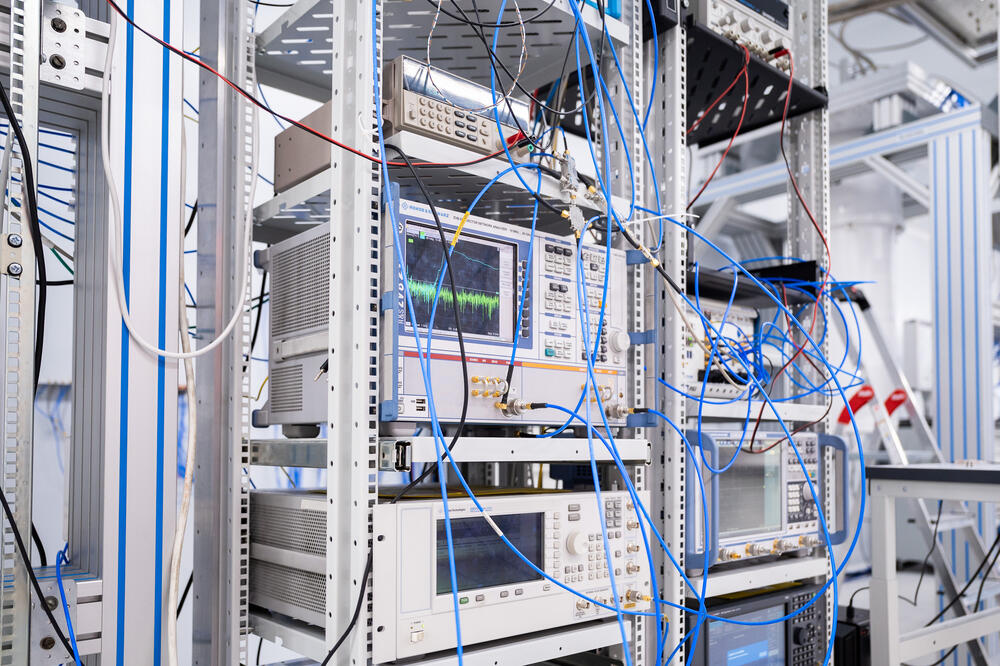
NUST MISIS has ranked 186th among 1,230 of the world’s top universities in the institutional Round University Rankings (RUR-2025), entering the Golden League for the first time. The university also retained its 5th place among 120 Russian universities. In total, experts evaluated universities from 95 countries.
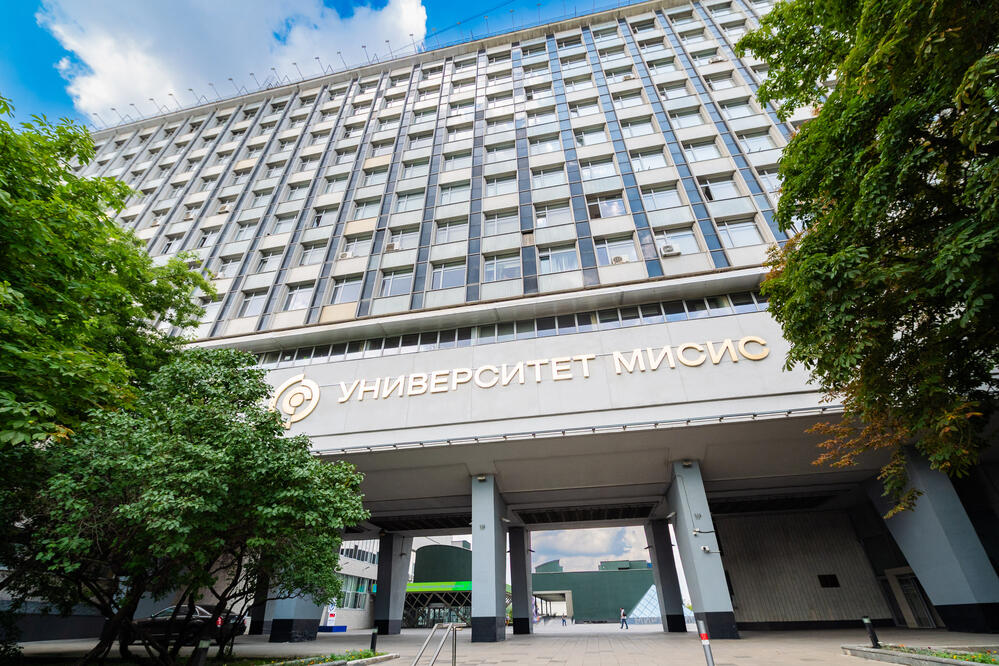
Researchers from NUST MISIS and Kazan Federal University have significantly improved quantum algorithms, making it dozens of times faster to study molecules relevant to pharmaceuticals, chemical manufacturing, materials science, energy, and more. The method is already adapted to current quantum hardware capabilities, bringing the industry closer to practical quantum computing applications. By optimizing the variational quantum algorithm, the scientists managed to dramatically reduce the number of quantum operations required for molecular simulations.

NUST MISIS hosted a Russian-Chinese business meeting titled “Development of Trade-Economic, Investment Cooperation and Collaboration”. The event marked an important step in strengthening professional ties and establishing a constructive dialogue. The two sides discussed prospects for joint research and personnel training for the foundry industry.
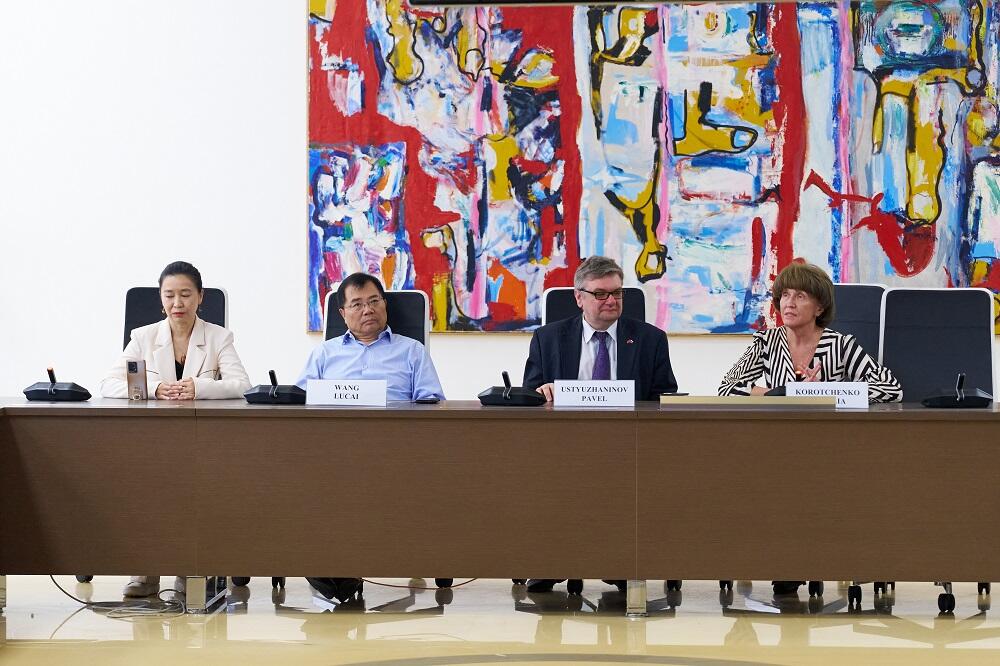
A delegation from the University of Science and Technology Beijing (USTB) visited NUST MISIS to discuss areas of cooperation in the scientific and educational spheres, including joint research, academic mobility, and the development of innovative materials.
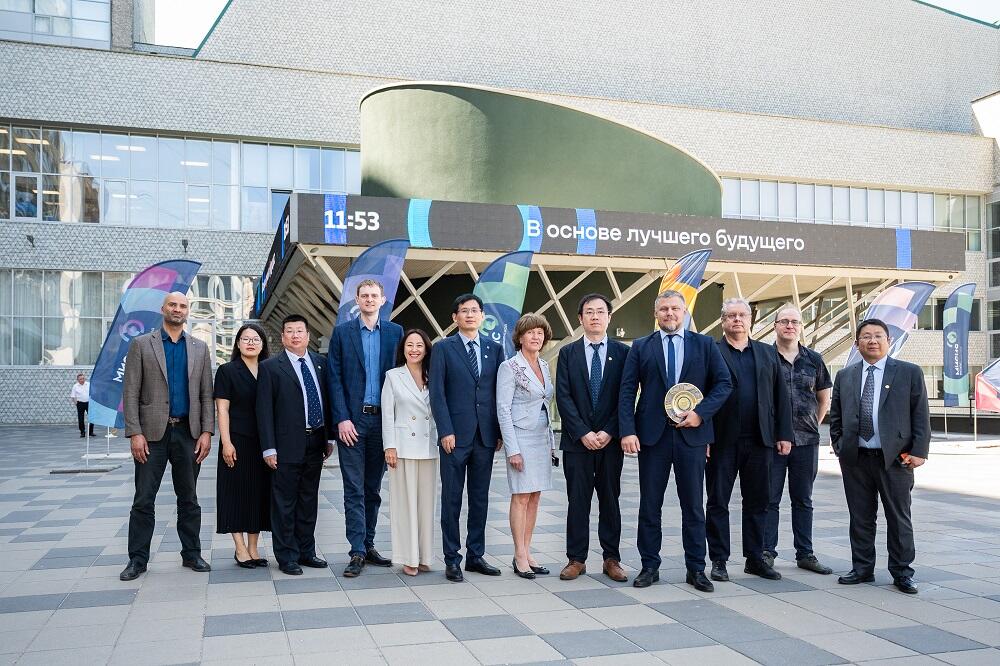
A delegation from the University of Electronic Science and Technology of China (UESTC) visited NUST MISIS to discuss prospects for cooperation and to strengthen the partnership between the two universities. The guests expressed their readiness to implement joint initiatives in the scientific and educational spheres.
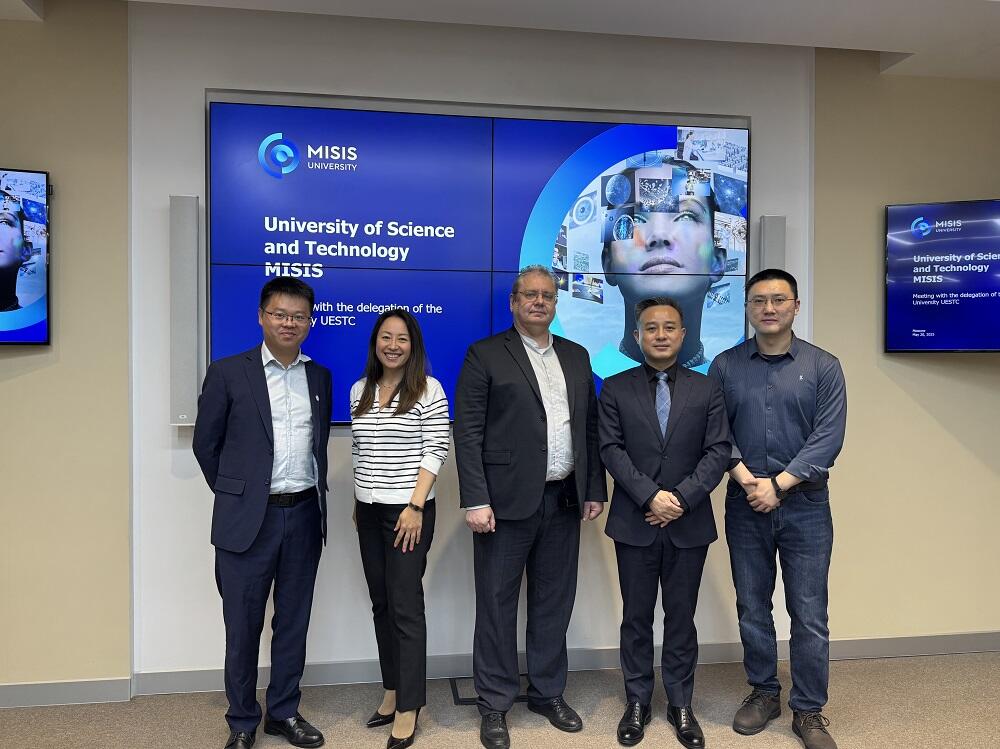
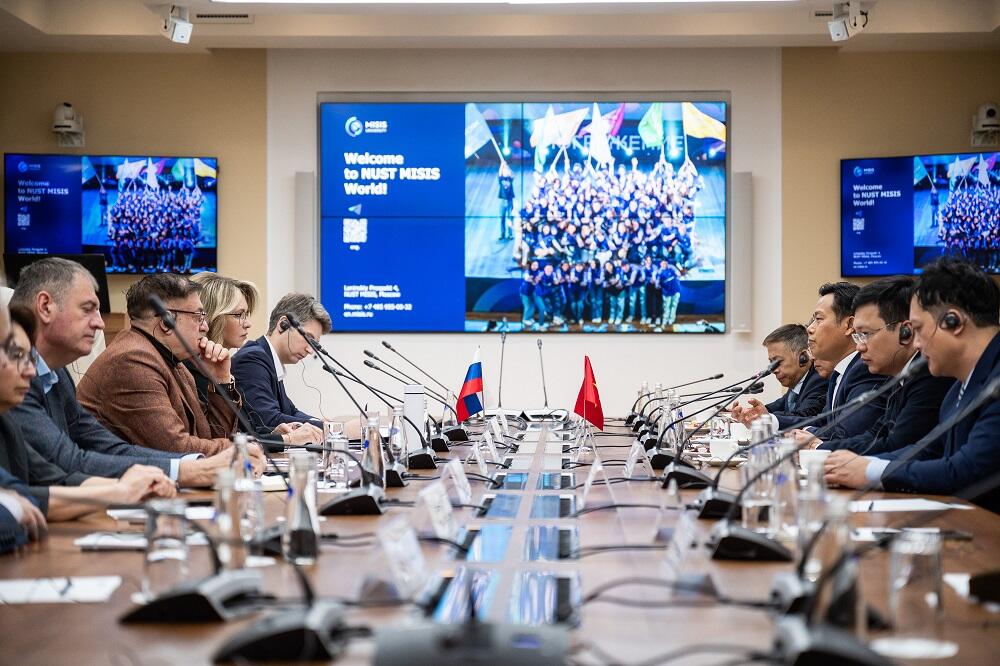
A delegation from the Vietnam National University (VNU) in Hanoi, along with representatives of the Embassy of the Socialist Republic of Vietnam in the Russian Federation, visited NUST MISIS to discuss prospects for cooperation in science and education, as well as joint training of specialists. The guests highly appreciated the university’s scientific developments, as well as the advanced equipment of its laboratories and research centers. The official visit took place as part of the events linked to the meeting between Russian President Vladimir Putin and General Secretary of the Communist Party of Vietnam To Lam, and formed part of broader negotiations on expanding bilateral partnerships.
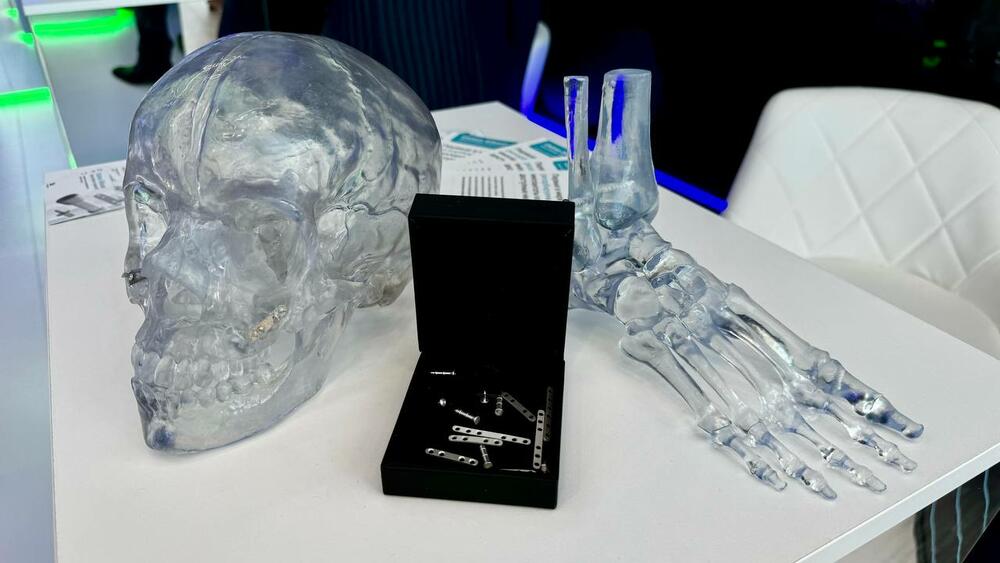
Scientists from NUST MISIS, in collaboration with their industrial partner Osteo-Sibear, have established Russia’s first production facility for bioresorbable magnesium implants intended for maxillofacial surgery and traumatology. The advantage of these metal structures lies in the fact that they do not need to be removed from the body, because they dissolve over time. The development of a full-cycle manufacturing process for implants with optimal properties and enhanced biocompatibility will help reduce rehabilitation time and minimize the risk of complications. This technology is included in the Ministry of Industry and Trade’s list of critical products and is aimed at import substitution in the medical field.
Scientists at NUST MISIS have introduced detectors capable of registering the slightest changes in skin temperature — one of the earliest signs of inflammatory processes. The new devices are more sensitive than conventional ones, easily distinguishing necessary terahertz signals from noise. These detectors could form the basis for a new thermal skin mapping technology.
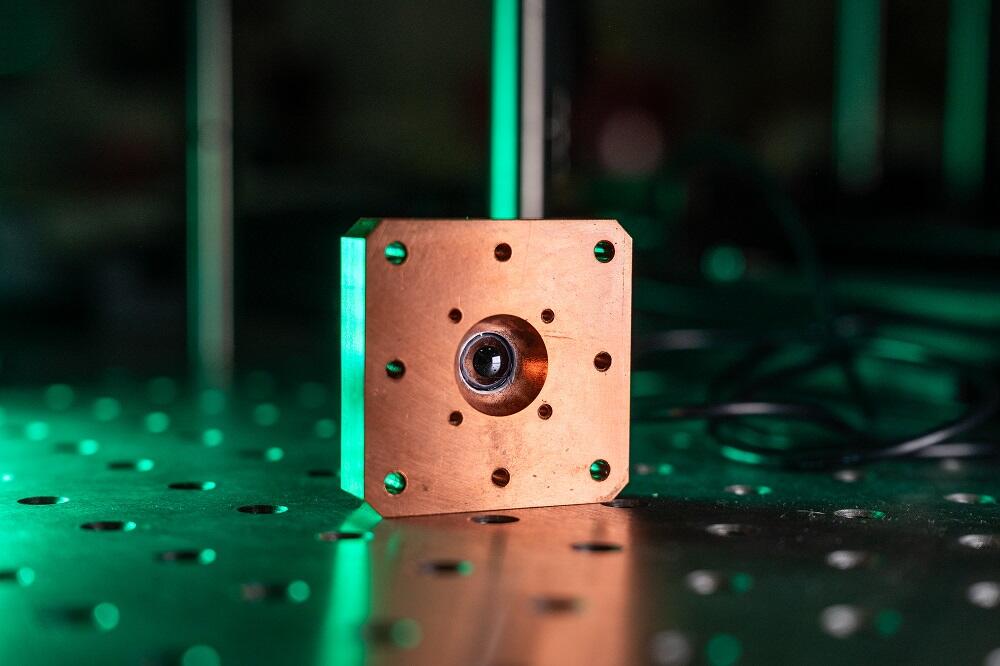
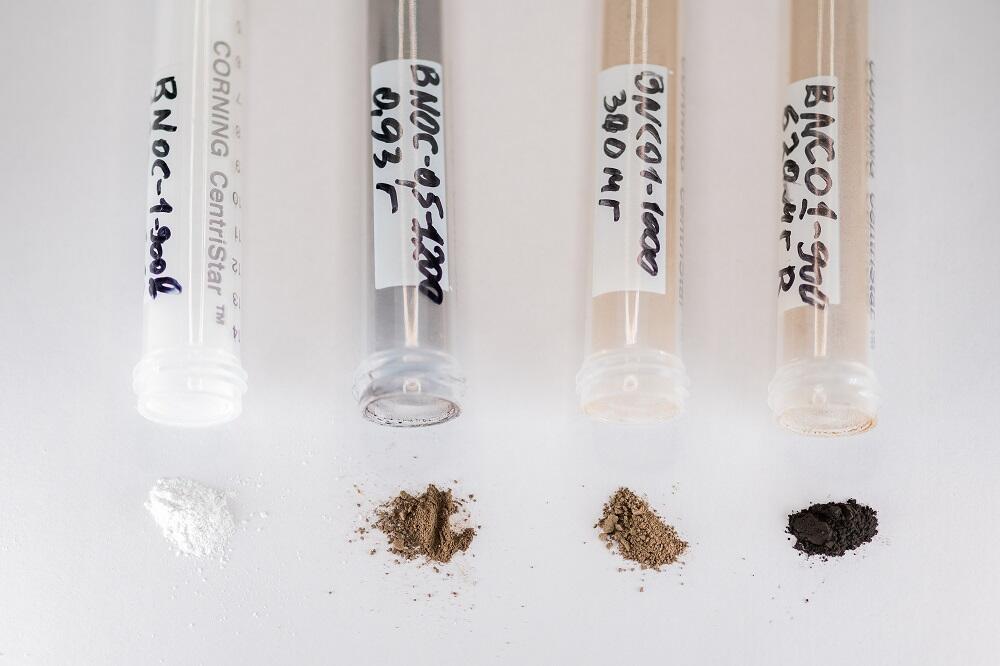
Researchers from NUST MISIS, Aramco Innovations (Moscow), and EXPEC Advanced Research Center (Saudi Arabia) have presented an innovative nanomaterial capable of absorbing record amounts of hydrogen, making it a promising candidate for next-generation energy storage. This lightweight, safe, and durable material could be used to create portable batteries for electric vehicles, heating, ventilation, air conditioning systems, and other applications.
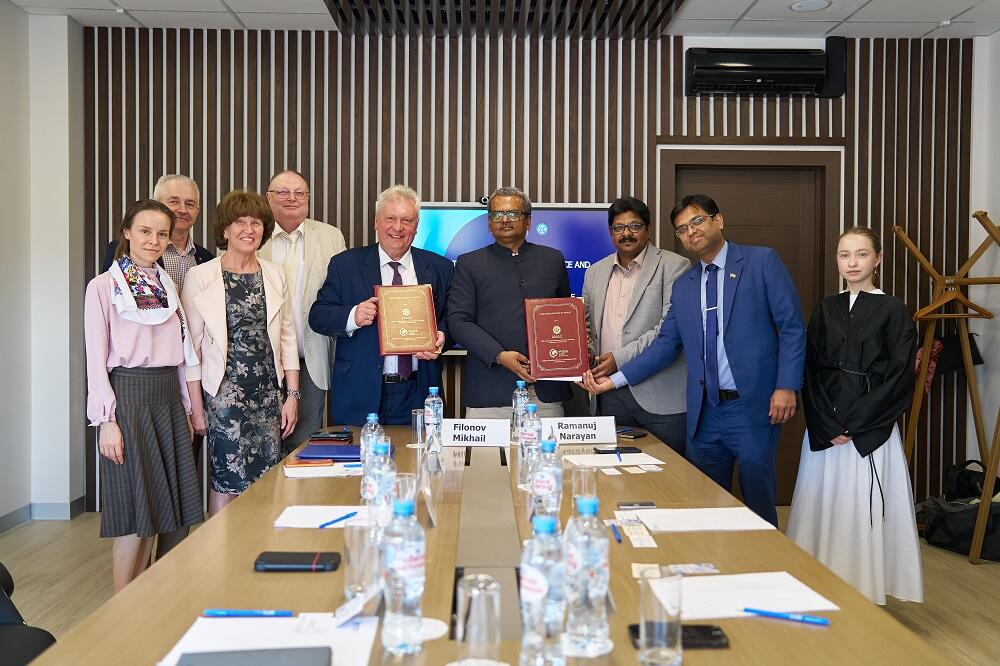
A cooperation declaration in the fields of mining, extractive metallurgy, and electrometallurgy was signed by Mikhail Filonov, Vice-Rector for Science and Innovation at NUST MISIS, and Ramanuj Narayan, Director of the Institute of Minerals and Materials Technology (Bhubaneswar). The collaboration will be coordinated by the Director of the Information and Marketing Center of NUST MISIS Dr. Natalia Korotchenko and Chief Scientist and Head of the Hydro and Electrometallurgy Department at the CSIR-IMMT Dr. Kali Sanjai.
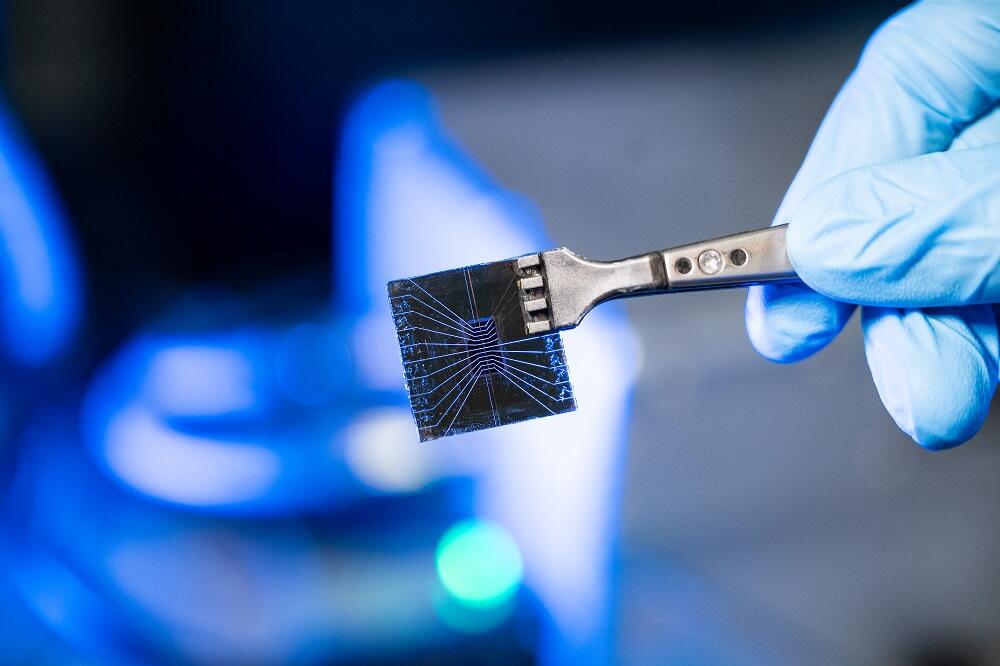
Scientists of NUST MISIS and the Enikolopov Institute of Synthetic Polymer Materials of Russian Academy of Sciences (ISPM RAS) have developed perovskite photodiodes based on thin films with enhanced response speed and detection range for medical equipment, telecommunications, and security systems.
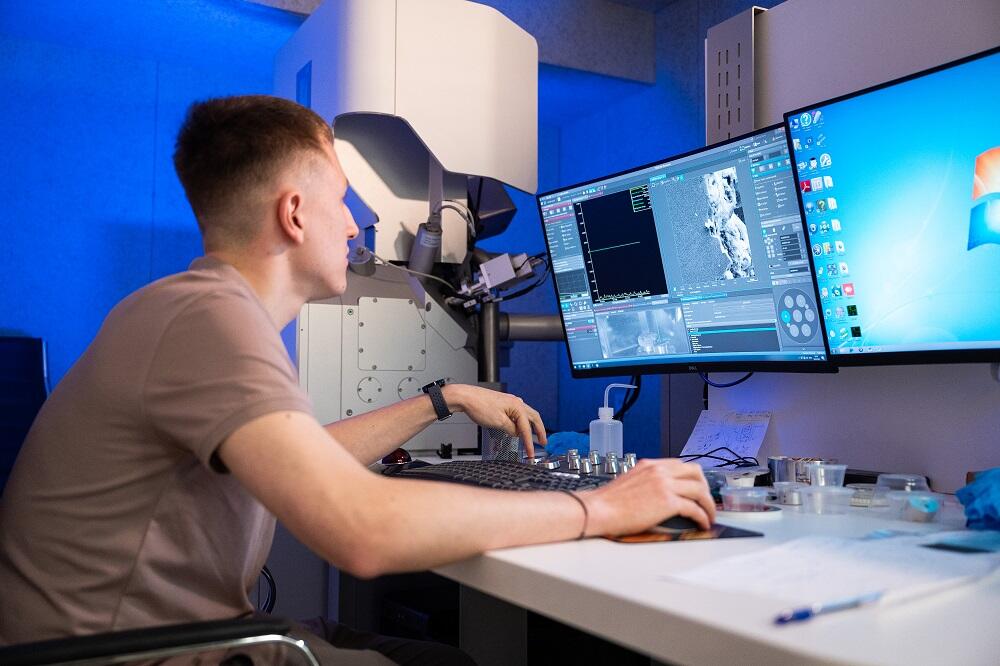
Russian scientists have developed an innovative approach to studying the structure of composite materials that changes under external influence in real time. This methodology provides important data from miniature samples, which can now be tested in a scanning electron microscope chamber. The results obtained are used for reliable strength calculations, which will save costs in the production and testing of automotive and aerospace components.
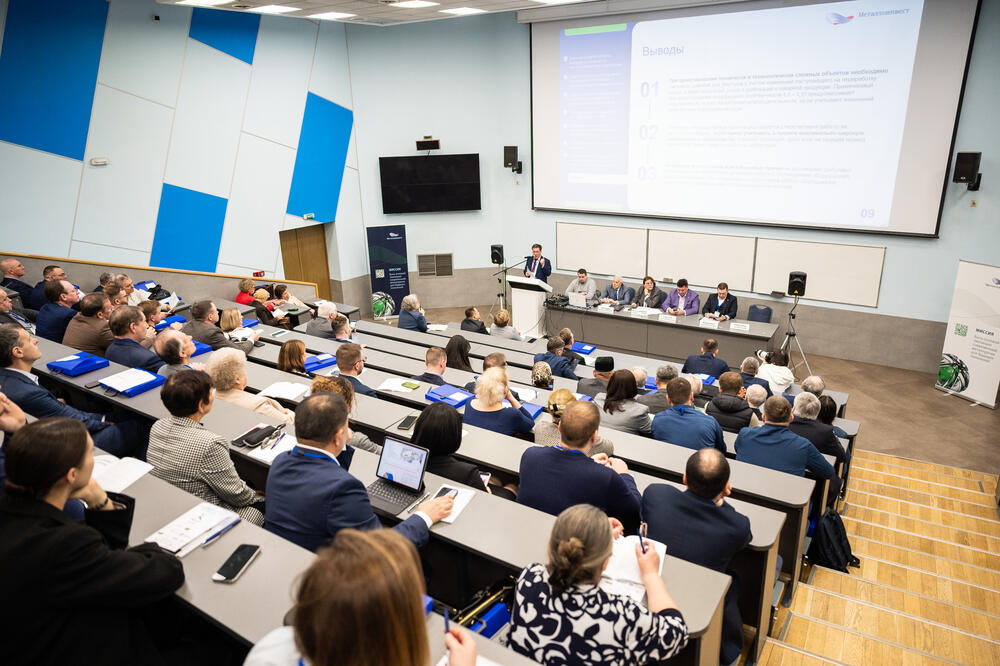
The Moscow International Congress of Mineral Processors brought together more than 300 participants from Russia, Belarus, Kazakhstan, Uzbekistan, Tajikistan, China, India, Vietnam, Bulgaria, Serbia, Myanmar, Australia, Angola, Zimbabwe, and Sierra Leone. Experts discussed mineral beneficiation and developed proposals for further effective collaboration.